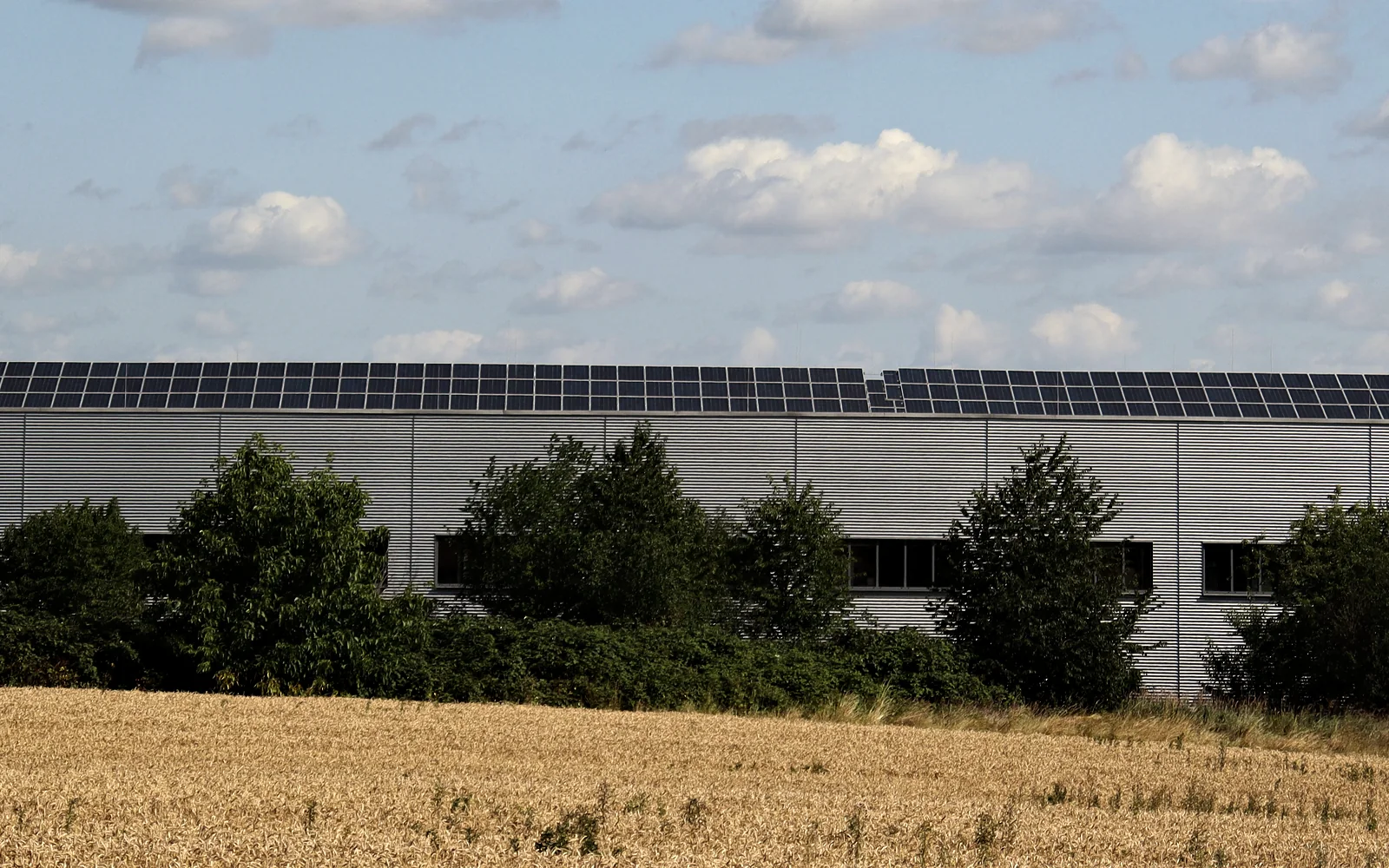
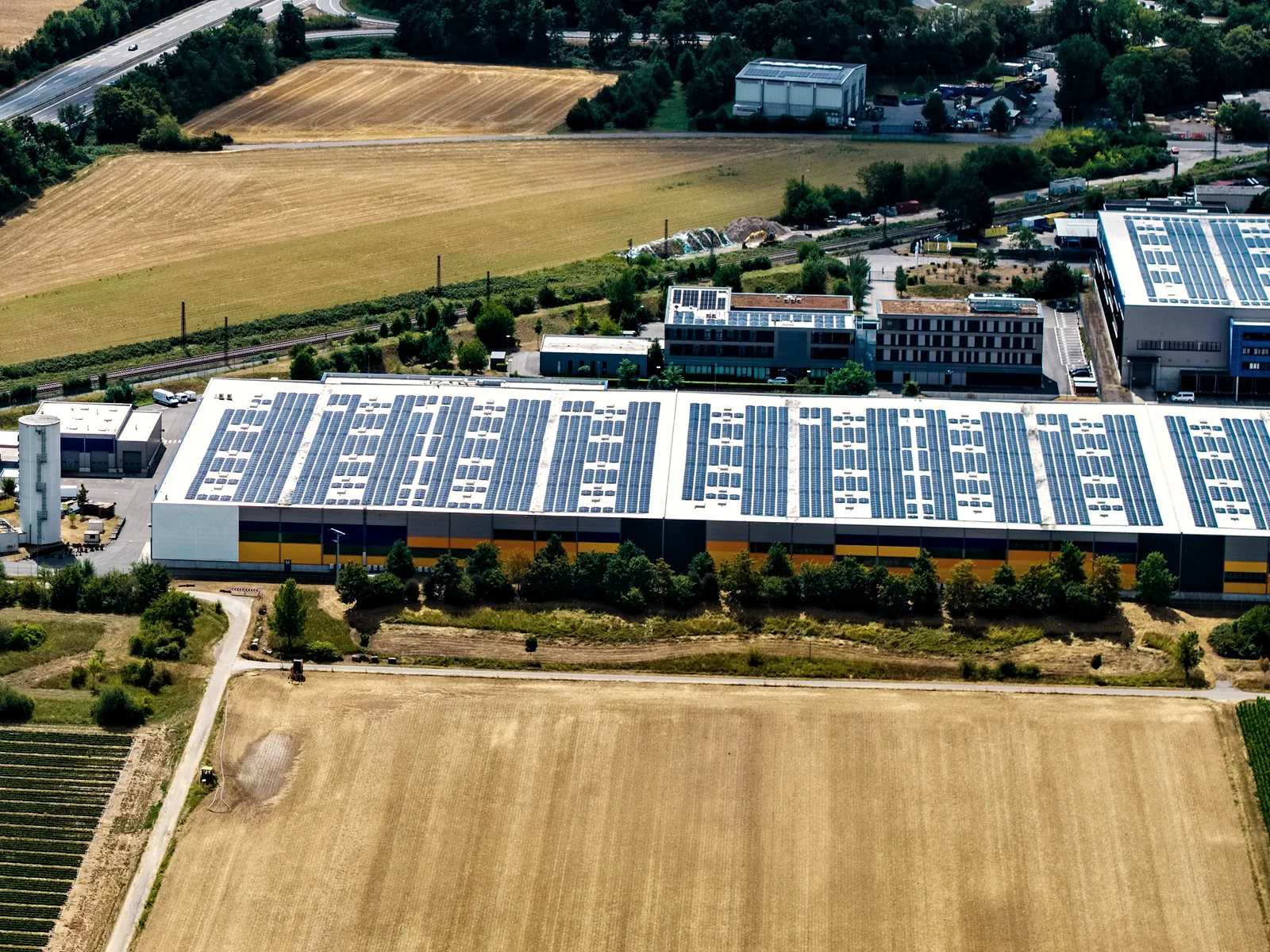
The site
Ten fast chargers, no solar
Ten DC fast chargers on a 1,000 kVA grid connection, without solar. Drivers plug in when they arrive and want to leave quickly, so the charging sessions themselves can’t be moved.


A public hub with 10 DC fast chargers on a 1,000 kVA connection, and no solar. Drivers charge when they arrive, so Pleevi steers a battery instead. On a year of the hub’s data, a 600 kWh battery brings the peak from 677 to 396 kW.
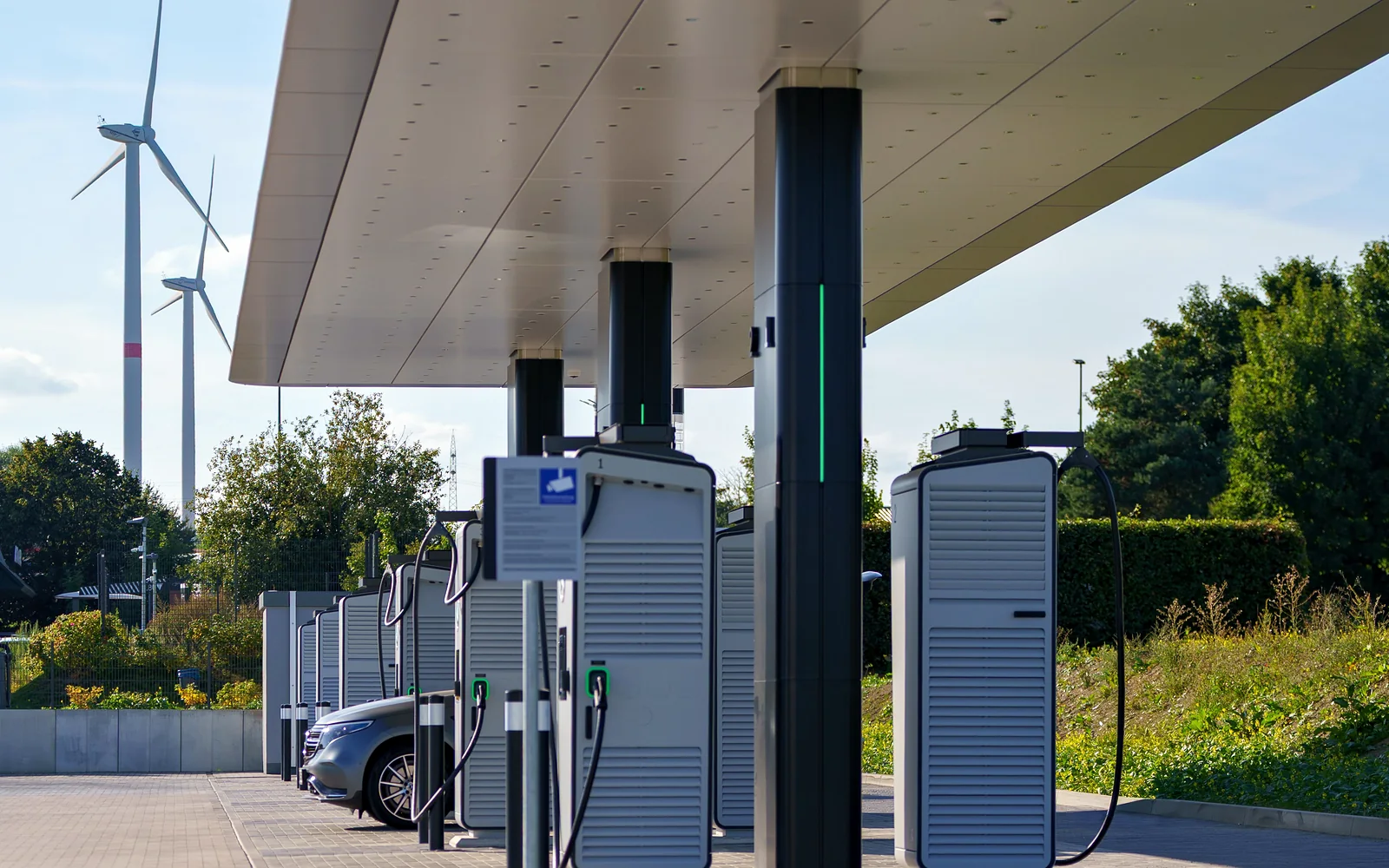
Ten DC fast chargers on a 1,000 kVA grid connection, without solar. Drivers plug in when they arrive and want to leave quickly, so the charging sessions themselves can’t be moved.
Each rush of cars becomes a peak on the grid connection, and the energy is bought at whatever the price is in that quarter-hour.
Pleevi steers a battery instead of the sessions. It charges in the cheapest quarter-hours of the day-ahead market and discharges into the charging peaks. On a year of the hub’s data, two battery sizes were set against the same hub without a battery.
A 600 kWh battery brings the peak from 677 kW to 396 kW and pays for itself in 3.2 years: the best return. A 900 kWh battery brings it down to 249 kW, with a 4.1-year payback: the most room for more chargers.
Tell us about your site, and we will show you what Pleevi would do there.