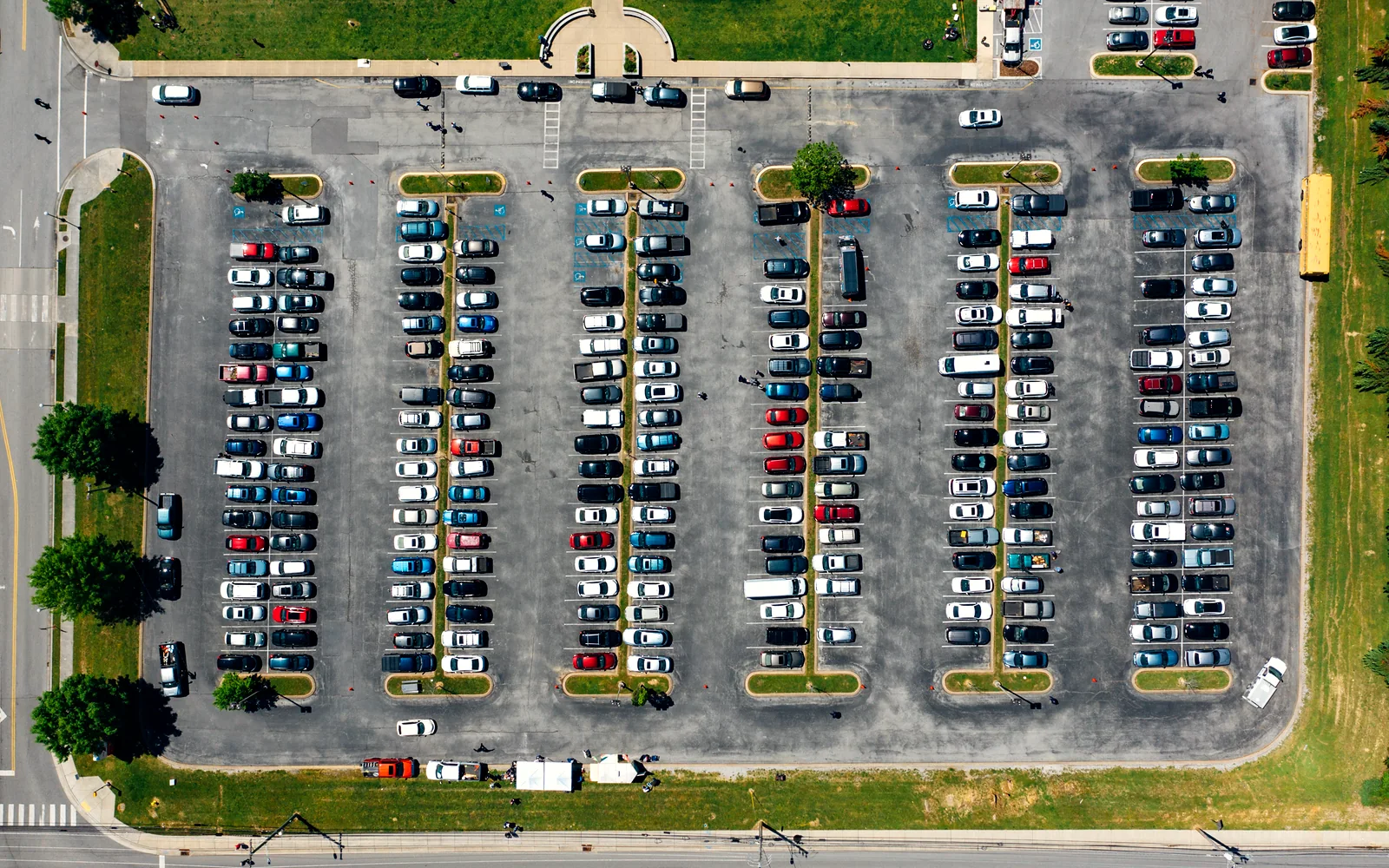
A connection that can’t grow
Every new charger draws on the same grid connection. Upgrading it can cost €100k–500k+ and take 12 to 24 months.


Pleevi shares your connection across every AC and DC charger, puts the earliest departures first and re-plans in seconds as vehicles arrive and leave. Drivers just plug in.
A workplace with four electric cars, a building, 50 kWp of solar, a 100 kWh battery and a 70 kW grid connection, on a dynamic energy price.
CarsBuildingSolarBatteryGrid
Every new charger draws on the same grid connection. Upgrading it can cost €100k–500k+ and take 12 to 24 months.
Buses, vans and trucks leave at set times. A charger that simply splits the power doesn’t know when.
When power is short, plain load balancing gives every car the same, whether it leaves in an hour or tomorrow.
Your grid limit is a hard constraint in every plan, and the Edge enforces it on site, every second.
Routes, schedules and departure times decide who charges first, so every vehicle leaves with what it needs.
Charging zones and a fairness algorithm share the power when it is short, and the plan rebalances every time a car connects.
No. Drivers badge in as usual. Pleevi infers what each car needs from where it is parked and how long cars usually stay, and the optional Driver App lets drivers set a departure time.
Yes. Your grid limit is a hard constraint in every plan, and the Pleevi Edge enforces real-time load balancing and safety limits on site.
Very likely. Pleevi steers AC and DC chargers from all major brands. See some of the brands.
Your grid limit is enforced on site either way. The Edge keeps following the last plan, which looks 24 hours ahead, and only falls back to local load balancing after 24 hours without a new one. Once it is back online, it picks up the new plan by itself.
We show you what Pleevi would do with your assets, your contract and your grid limit.